
Project archive guide. Technical instructions are awaiting hardware-team review; consult the documentation for your exact equipment.
Lithium Batteries
Lithium batteries are rechargeable power sources that store and deliver the electrical energy needed for FPV drones and many other devices. They are favored for their high energy density, lightweight design, and ability to deliver consistent voltage under load. In FPV, lithium batteries are crucial because they provide the burst power required for high-speed maneuvers while keeping overall drone weight low. Proper handling, charging, and storage are essential for safety and longevity, as lithium cells can be sensitive to overcharging, deep discharging, and physical damage.
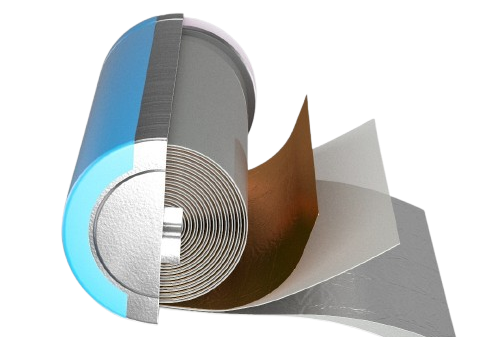
Two Types of Lithium Batteries
Lithium-ion
Known for high energy density and long flight times, making them ideal for endurance and long-range FPV flying.
Lithium-Polymer
Delivers high discharge rates and instant power, perfect for racing, freestyle, and high-performance drones.
Key Similarities Between The Two
Voltage Per Cell
Both Li-ion and Li-Po cells have a nominal voltage of 3.7V, charge up to 4.2V, and should not be discharged below safe limits to avoid damage.
Cell Count (S Rating)
Battery packs are built by connecting cells in series (e.g., 3S, 4S, 6S) to increase voltage, which must match your drone's electronics.
Capacity (mAh)
Indicates how much energy the battery can store. Higher capacity means longer flight time, but also more weight.
Discharge Rate (C-Rating)
Represents how quickly the battery can deliver its stored energy. A higher C-rating supports more demanding power requirements.
Proper Storage Voltage
For both battery types, storing at around 3.8V per cell helps maintain health and prolongs lifespan.
Balance Charging
Always use a balance charger to ensure all cells stay at the same voltage, preventing overcharging or undercharging of individual cells.
Lithium-ion Batteries
Energy Density
Li-ion batteries store more energy per gram than most other rechargeable chemistries, allowing longer flight times for the same weight. This makes them ideal for endurance and long-range FPV builds where efficiency is key. Tip: Pair high energy density with lightweight frames for maximum flight time.
Voltage Per Cell
A fully charged Li-ion cell is 4.2V, with a safe lower limit around 2.5–3.0V. They provide a flatter voltage curve, meaning power output remains more consistent until the pack is nearly empty. Important: Avoid discharging below the minimum safe voltage to protect battery lifespan.
Discharge Rate (C-Rating)
Li-ion packs usually have lower discharge ratings (2C–15C) than LiPos, meaning they can’t deliver high burst current as effectively. They are better suited for cruising, cinematic flying, and low-throttle applications rather than racing. Note: Exceeding the discharge limit can cause overheating and capacity loss.
Cycle Life
With proper care, Li-ion packs can last 300–500+ charge cycles, far longer than most LiPos. Avoid frequent deep discharges and store them at 40–60% charge to maximize lifespan. Tip: A Li-ion pack that’s treated well will outlast multiple LiPo packs.
Temperature Performance
Li-ion batteries operate best between 15–35°C. Cold weather reduces both output power and capacity, while excessive heat accelerates wear and can cause failure. Important: Keep packs warm before use in winter and avoid prolonged heat exposure in summer.
Weight Advantage
For the same capacity, Li-ion packs are often lighter than LiPos, improving efficiency and reducing flight load. This weight savings translates directly into longer flight times. Tip: Use lighter packs for endurance builds where every gram matters.
Safety Considerations
Li-ion batteries are generally safer than LiPos but still require careful handling. Avoid overcharging, puncturing, or shorting the pack, and always store in a fireproof bag or metal case. Warning: Damaged cells should be disposed of properly to avoid fire risk.
Charging
Always charge using a Li-ion compatible mode at 0.5C–1C for best longevity. Unlike LiPos, they can safely discharge to lower voltages, but over-discharge still shortens lifespan. Tip: Use a quality balance charger to maintain even cell voltages.
Cell Formats
Most FPV Li-ion packs use cylindrical cells such as 18650 or 21700. Different models balance capacity and discharge rates — for example, Sony VTC6 for endurance or Molicel P42A for higher current needs. Note: Choose cell type based on your specific build’s power demands.
Best Use Cases
Li-ion batteries shine in long-range cruising, endurance flights, and cinematic flying where efficiency is more important than raw power. They are less suited for racing or high-throttle freestyle due to lower discharge rates. Tip: Match your battery type to your flying style for best results.
Lithium-Polymer Batteries
Energy Density
Li-Po batteries offer slightly lower energy density than Li-ion, but they excel at delivering high burst current. This makes them the go-to choice for high-performance drones where raw power is essential. Tip: For racing or freestyle, Li-Po packs will provide sharper throttle response than Li-ion.
Voltage Per Cell
A fully charged Li-Po cell is 4.2V, with a safe minimum around 3.3V for longevity. They have a steeper voltage drop under heavy load, so performance decreases more noticeably as the pack drains. Important: Set proper voltage alarms to prevent deep discharges that harm the battery.
Discharge Rate (C-Rating)
Li-Po batteries can deliver extremely high current bursts, often exceeding 100C ratings in modern packs. This supports aggressive maneuvers, rapid acceleration, and sustained high-throttle flight. Note: Higher C-ratings typically mean better performance but can add weight and cost.
Cycle Life
Li-Po packs usually last 150–300 charge cycles with proper care. Overcharging, deep discharging, or storing fully charged for long periods will dramatically reduce lifespan. Tip: Store at 3.8V per cell when not in use to maximize life.
Temperature Performance
Li-Po batteries operate best between 20–40°C, with reduced performance in extreme cold and increased wear in high heat. Important: Keep packs warm before cold-weather flights, and avoid prolonged sun exposure in summer.
Weight vs. Power Tradeoff
Li-Po packs are often heavier than equivalent Li-ion packs but deliver much more instantaneous power. This tradeoff makes them ideal for builds where speed and agility outweigh maximum flight time. Tip: Choose capacity carefully to balance weight and performance.
Safety Considerations
Li-Po batteries are more volatile than Li-ion and can swell, vent, or ignite if overcharged, punctured, or shorted. Always store in a fireproof bag, and never use a visibly damaged or puffy pack. Warning: Treat Li-Po handling and charging with extra caution.
Charging
Charge only with a Li-Po compatible balance charger at 1C or lower to reduce heat and wear. Always monitor charging and never leave packs unattended. Tip: Use balance mode every charge to keep cell voltages even and safe.
Cell Count
Li-Po packs are available in various cell counts (e.g., 3S, 4S, 6S) to suit different drone power systems. Higher cell counts increase voltage and top speed but may require heavier components to handle the load. Note: Match cell count to your ESC and motor specifications.
Best Use Cases
Li-Po batteries dominate in racing, freestyle, and acrobatic drones thanks to their high discharge capability and rapid response. They are less efficient for long cruising flights compared to Li-ion. Tip: If you need pure performance, Li-Po is almost always the better choice.